
The EU's EmpCo Directive Is Coming: What Tour Operators Need to Know
A joint post from Spark and Greentripper
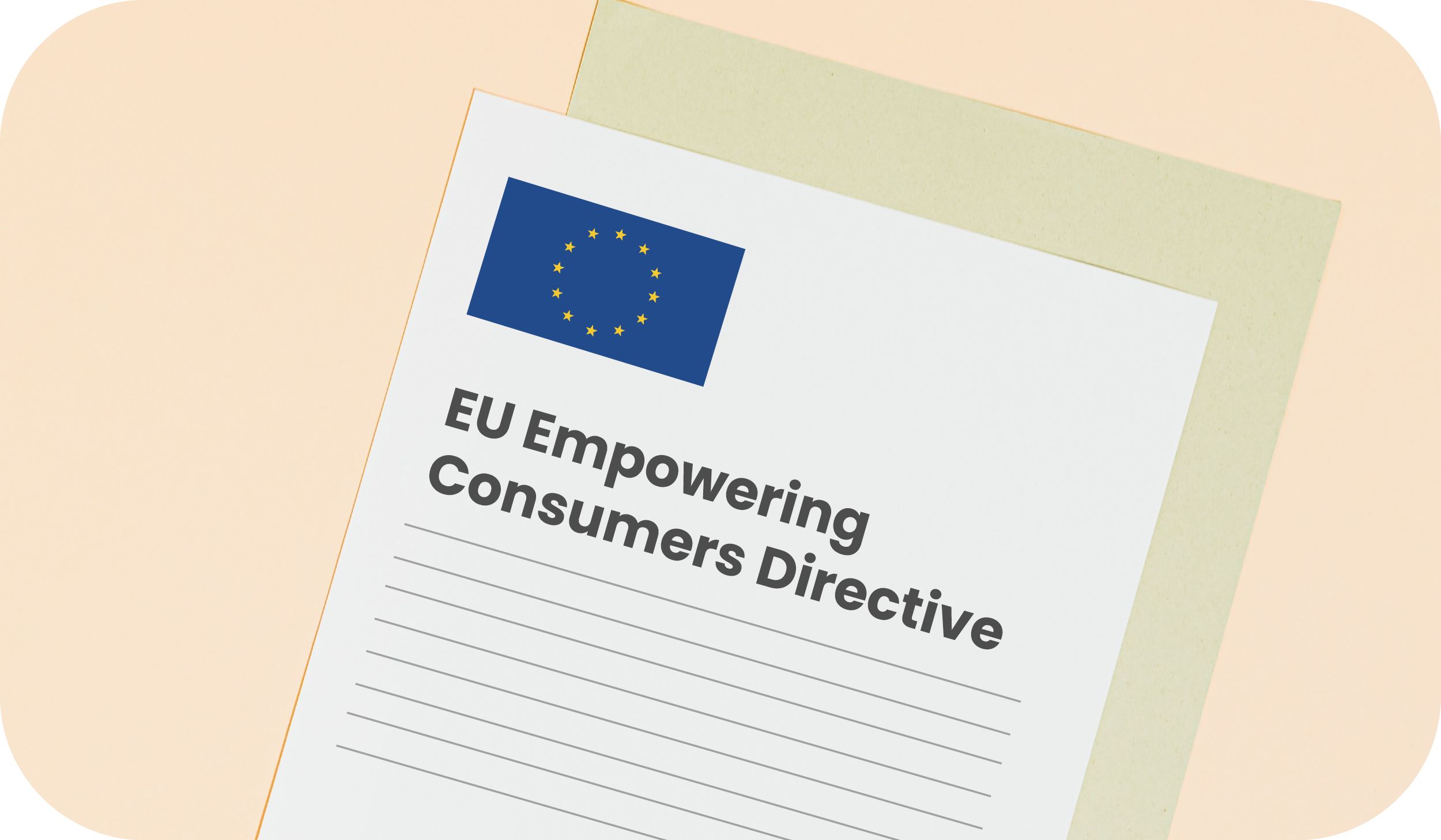
Sustainability. Eco-friendly. Carbon neutral. Terms travel companies have leaned on for years — often more loosely than regulators are now willing to allow.
Growing pressure to prove environmental credentials, rather than just claim them, has been building across every sector.
That's where the EU's EmpCo directive comes in. Starting 27th September 2026, clearer rules govern how companies can talk about sustainability, with real consequences for businesses that get it wrong.
But the goal isn't to scare businesses into silence. It's about creating a level playing field where genuine progress is easier to see, easier to trust, and easier to reward.
What Is the EmpCo Directive?
The Empowering Consumers for the Green Transition Directive(EmpCo) is a new EU legislation designed to stop businesses from making vague, unverifiable, or misleading "green" claims in their marketing.
The headline rules
No vague claims.
Terms like "eco-friendly," "green," or "sustainable" can't be used unless they're backed by clear, verifiable evidence.
No saying “carbon neutral” via offsets alone.
You can no longer market a trip or product as "carbon neutral" or "climate positive" purely because emissions were offset elsewhere without any reduction efforts. If the underlying activity still produces the same emissions, the claim must reflect that.

No unverified sustainability logos or labels.
Any environmental label or badge must come from an approved certification scheme or be set by a public authority — not invented in-house.
No unsupported future promises.
Claims like "net zero by 2040" require a public, verifiable action plan.
What does this mean for travel companies?
For tour operators, this touches a lot of common marketing language: "eco-tour," "carbon neutral holiday," "sustainable travel," and offset-badge stickers on package listings could all fall under scrutiny if they're not properly substantiated.
The good news is that there are organisations out there like Greentripper to help you make sense of the jargon and track your climate action journey.
Greentripper helps travel businesses understand and manage their climate impact. Working with over 200 travel businesses across Europe and beyond, they help measure CO2e emissions across the full value chain, from the trips you sell to your daily operations, using scientific methodologies like Bilan Carbone® and DEFRA.
Beyond consultancy, they provide carbon tools available via an API to measure transportation, stays, activities and food, and can help businesses with reduction plans, consultancy, and the option to support certified climate projects.
Myth Busting
The EmpCo Directive is designed to help protect consumers and hold organisations accountable in the fight against climate change, but it can be confusing knowing where to start to ensure your travel business is covered.
Below are some common myths about carbon emissions and EmpCo…
Myth 1: All carbon calculators give the same result.
Methodologies and emission factors differ, and so do the results. That's why it matters which methodology sits behind the number, and whether it's reviewed regularly against the latest science. Choose your carbon tools wisely.
Myth 2: Only big companies need to worry about EmpCo.
The directive applies to any business making environmental claims to consumers, regardless of size. A small travel agency writing "eco friendly trips" on its website is just as exposed as a large tour operator.
Myth 3: Using a recognized label or logo protects you.
Not automatically. Under EmpCo, only labels based on official certification schemes or set up by public authorities remain allowed. Many existing sustainability labels won't meet that bar, so it's worth checking whether yours does.
Myth 4: Staying quiet is the safe option.
Saying nothing about your climate impact, or not measuring and acting on it in the first place, might feel like the cautious choice, but it isn't risk free either. Clients and partners increasingly expect transparency and real action. Staying silent means missing the chance to show the credible work you're doing, and doing nothing means falling behind while the industry moves forward. The real risk sits in vague or unsubstantiated claims, not in speaking up and acting with evidence behind you.
Myth 5: EmpCo doesn’t apply to businesses outside the EU.
False. EmpCo protects EU consumers, not EU-based businesses — so if you market to customers in the EU, the directive applies to you regardless of where your company is headquartered. The test is whether you're targeting EU customers: things like using EU languages or currencies, shipping or delivering services there, or running EU-directed ads. Non-EU tour operators taking bookings from EU travellers are firmly in scope. Breaches can mean fines of up to 4% of annual turnover for serious infringements.
What’s next?
Based on these changing rules, the first thing to do is review your website and all other marketing materials to ensure you’re not making unsubstantiated claims that conflict with the new regulations. If you’re unsure, you can speak to the team at Greentripper about how your company can evolve.

Spark x Greentripper
At Spark, we’re always looking for ways to help our customers improve their operations and take out the stress from travel planning. That’s why we’re keen to team up with Greentripper, so that you can benefit from their carbon measurement expertise in real-time trip planning.
If you’re interested in an all-in-one travel planning solution that links up with a carbon calculator and keeps you informed about your climate impact with every trip - then we would love to hear from you. You can contact our lovely team here.
